Photography
Discover photography through curated resources! Access free tutorials, explore books on techniques and theory, learn from iconic photographers, and stay updated with leading journals.
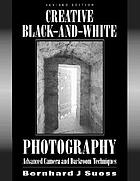
Creative black-and-white photography : advanced camera and darkroom techniques
by
This revised edition of a master craftsman's guide explains how to solve a wide range of challenging aesthetic problems encountered in black-and-white photography. With uncanny clarity and insight, a series of step-by-step illustrations demonstrate dozens of sophisticated techniques such as film exposure and development control; print contrast, dodging, and burning; bleaching; camera filters; and more. Plus, this updated edition features a brand-new inside perspective on digital vs. traditional black-and-white photography. More comprehensive and authoritative than any other book of its kind, this master course will bring the work of every photographer to new artistic heights.
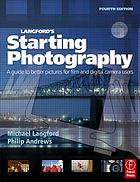
Langford's Starting Photography
by
Authoritative update of bestselling guide to learning digital or film photography for keen amateurs.
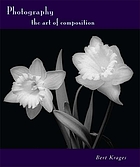
Photography : the art of composition
by
Since the beginning of the twentieth century, photographic composition has been taught mostly by applying the principles from the field of graphic design. But the factor that distinguishes the work of master photographers is their ability to see and describe scenes visually. This book follows contemporary educational methods used to teach fine arts such as drawing and painting, concentrating on teaching the perception of critical visual elements and understanding how they will be rendered photographically. "In many respects, this book can do for photography what Betty Edwards' best-selling "Drawing on the Right Side of the Brain" did for drawing. Many people believe that seeing is a mysterious gift, the so-called 'artist's eye." says Krages. The core of the book is a group of sixty exercise that readers perform to learn how to perceive points, lines, and shapes in static and dynamic settings. These exercises are structured enough to push photographers to develop their cognitive abilities while at the same time flexible enough to allow for individual creative expression. They also show the importance of knowing about the subject and provide some history about the specific genres at the heart of each exercise.
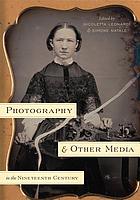
Photography and Other Media in the Nineteenth Century
by
In this volume, leading scholars of photography and media examine photography's vital role in the evolution of media and communication in the nineteenth century. In the first half of the nineteenth century, the introduction of telegraphy, the development of a cheaper and more reliable postal service, the rise of the mass-circulation press, and the emergence of the railway dramatically changed the way people communicated and experienced time and space. Concurrently, photography developed as a medium that changed how images were produced and circulated. Yet, for the most part, photography of the era is studied outside the field of media history. The contributors to this volume challenge those established disciplinary boundaries as they programmatically explore the intersections of photography and "new media" during a period of fast-paced change. Their essays look at the emergence and early history of photography in the context of broader changes in the history of communications; the role of the nascent photographic press in photography's infancy; and the development of photographic techniques as part of a broader media culture that included the mass-consumed novel, sound recording, and cinema. Featuring essays by noteworthy historians in photography and media history, this discipline-shifting examination of the communication revolution of the nineteenth century is an essential addition to the field of media studies. In addition to the editors, contributors to this volume are Geoffrey Batchen, Geoffrey Belknap, Lynn Berger, Jan von Brevern, Anthony Enns, André Gaudreault, Lisa Gitelman, David Henkin, Erkki Huhtamo, Philippe Marion, Peppino Ortoleva, Steffen Siegel, Richard Taws, and Kim Timby.
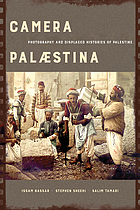
Camera Palaestina: photography and displaced histories of Palestine
by
A free open access ebook is available upon publication. Learn more at www.luminosoa.org. Camera Palaestina is a critical exploration of Jerusalemite chronicler Wasif Jawhariyyeh (1904-1972) and his seven photography albums entitled The Illustrated History of Palestine. Jawhariyyeh's nine hundred images narrate the rich cultural and political milieu of Ottoman and Mandate Palestine. Nassar, Sheehi, and Tamari locate this archive at the juncture between the history of photography in the Arab world and the social history of Palestine. Shedding new light on this foundational period, the authors explore not just major historical events and the development of an urban bourgeois lifestyle but a social field of vision of Palestinian life as exemplified in the Jerusalem community. Tracking the interplay between photographic images, the authors offer evidence of the unbroken field of material, historical, and collective experience from the living past to the living present of Arab Palestine.
Fifty Key Writers on Photography
by
Fifty Key Writers on Photography is a clear and concise survey of some of the most significant writers on photography who have played a major part in defining and influencing our understanding of the medium. It provides a succinct overview of writing on photography from a diverse range of disciplines and perspectives and examines the shifting perception of the medium over the course of its 170 year history.
Agnes Varda Between Film, Photography, and Art
by
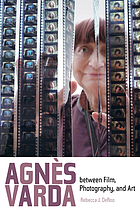
Agnès Varda is a prolific film director, photographer, and artist whose cinematic career spans more than six decades. Today she is best known as the innovative "mother" of the French New Wave film movement of the 1950s and '60s and for her multimedia art exhibitions. Varying her use of different media, she is a figure who defies easy categorization. In this extensively researched book, Rebecca J. DeRoo demonstrates how Varda draws upon the histories of art, photography, and film to complicate the overt narratives in her works and to advance contemporary cultural politics. Based on interviews with Varda and unparalleled access to Varda's archives, this interdisciplinary study constructs new frameworks for understanding one of the most versatile talents in twentieth and twenty-first century culture.